If you’ve ever wondered why your hair still feels dull or unruly despite using good shampoos and conditioners, you’re not alone. Hair serums, when used correctly and placed in the right areas, can be the difference between hair that merely survives your routine and hair that actually thrives within it. Let’s take a proper look at the true hair serum benefit.
What Exactly Is a Hair Serum and What Does It Do?
At the centre of it, a hair serum is a very light leave-in treatment meant for coating the hair surface and sometimes even the scalp. Serums are different from masks or conditioners that act within the hair fibre or oils that can be heavy or greasy; they work around the strand, thus making the cuticle smooth, lowering friction, and lastly, protecting the hair from everyday damage.
This is where many people misunderstand hair serums. They aren’t meant to “fix” hair overnight. Instead, they:
-
Manage frizz and flyaways.
-
Add instant shine without weight.
-
Protect hair from heat and environmental stress.
-
Improve manageability and nourish your scalp when you focus on growth.
-
Minimise breakage caused by brushing and styling.
-
Help hair retain moisture for longer.
When used consistently, these small benefits stack up, and that’s when hair starts to look healthier overall.
The Real Hair Serum Benefit: Why It Matters Long Term
When it comes to healthy hair growth, the scalp is not the only factor. The amount of hair you can retain is also important.
Each time hair comes into contact with your clothes, is exposed to a blow dryer, or is pulled back too tightly, microscopic damage occurs. Over time, this damage leads to split ends, snapping, and thinning lengths, making it feel as though your hair “won’t grow,” even when it technically does.
A good hair serum helps reduce this damage by:
-
Creating a slip, so hair doesn’t snag or tear.
-
Sealing the cuticle to prevent moisture loss.
-
Acting as a buffer between hair and heat tools.
This is why serums often play a quiet but essential role in any routine focused on length, strength, and fullness.
Choosing the Right Serum for Your Specific Hair Type
Serums are designed differently. To get the right one for you, factors such as your hair texture, lifestyle, and styling methods are all to be considered.
1. Fine or Easily Weighed Down Hair
Look for formulas that are very light, non-greasy, and apply a little to your hair.
2. Dry, Coarse, or Chemically Treated hair
For this type of hair, you'll benefit more by using richer serums. They assist in moisture sealing and make the hair less porous.
3. Frizz-Prone or Heat-Styled Hair
It is recommended to use serums with smoothing and protective properties; not only will this help increase the hair's manageability but also its shine.
GK Hair’s Approach to Hair Serums: Care Without Compromise
GK Hair has been very considerate in the way they develop their hair care range. Inefficient, quick fixes were never a strategy.
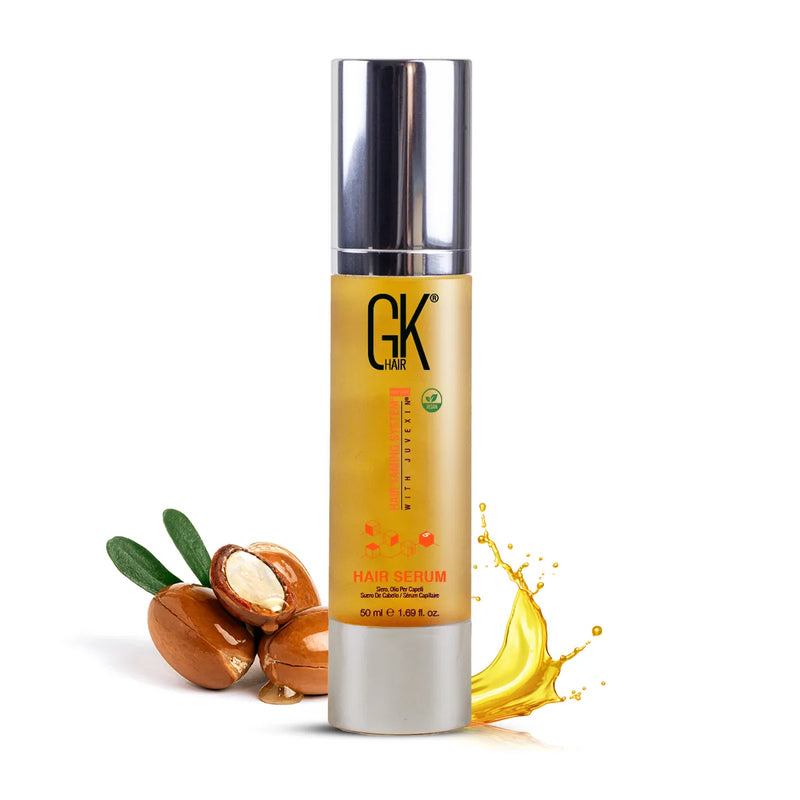
Thus, GK Hair Argan Oil Serum is our number one recommendation for an effective hair serum. This classic serum with its unique blend of ingredients will not only smooth and soften but also protect the hair without being heavy. The Juvexin and the nourishing oils in it will generally allow it to:
-
Make the hair less frizzy.
-
Add shine that looks natural.
-
Make straight and textured hair easier to manage.

Where to Apply it:
Put a tiny bit on either damp or dry hair, giving special attention to your ends and going up to mid-length. This will be your perfect finishing product after you've styled or used a blow dryer.
Hair Growth Serums vs Hair Serums: Knowing the Difference
Let’s make a clarification here, since the terms are often mixed up.
A hair growth serum is intended for direct application to the scalp. In fact, the best scalp serum for hair growth would be a product that ensures a healthy environment for hair follicles through the inclusion of ingredients that enhance circulation, balance and comfort of the scalp.
A hair serum, on the other hand, is often misunderstood. Traditional hair serums don’t stimulate follicles but they do support growth indirectly by protecting the lengths, reducing breakage, and helping you retain what you grow. That’s why some people often refer to it as a “hair serum for growth”. As the terminologies look almost the same, it becomes important to know which is which.
Where to Apply Hair Serum (This Makes All the Difference)
One of the most common mistakes people make is applying hair serum to the scalp when it isn’t designed for it.
Apply Hair Serum:
-
From ends to mid-lengths.
-
To areas prone to dryness or frizz.
-
To hair before or after heat styling.
Start With Damp Hair
-
Although you can apply serum to dry hair for a quick touch-up, it is most effective on towel-dried, damp hair. At this point, your hair is most porous and can capture moisture easily.
Don’t Use Too Much and Ensure to Comb Through
-
For most hair types, a single pump of the hair serum is already enough. Make the serum warm by rubbing your palms together, this helps in its “activation”. Moreover, after application, take a wide-tooth comb or a vent brush to ensure every single hair is coated with the product.
Avoid Applying Traditional Hair Serum to:
-
The scalp (unless it’s specifically a scalp serum).
Used correctly, hair serum should leave your hair feeling smoother and softer — not heavy or coated.
The Ultimate Hair Serum Use: A Simple Yet Effective Routine
It's worth noting that you don't need a shelf full of products before you get the right shine.
A practical routine should look like this:
-
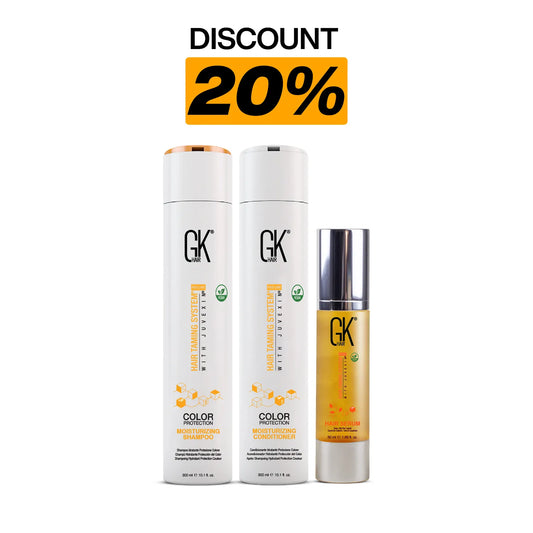
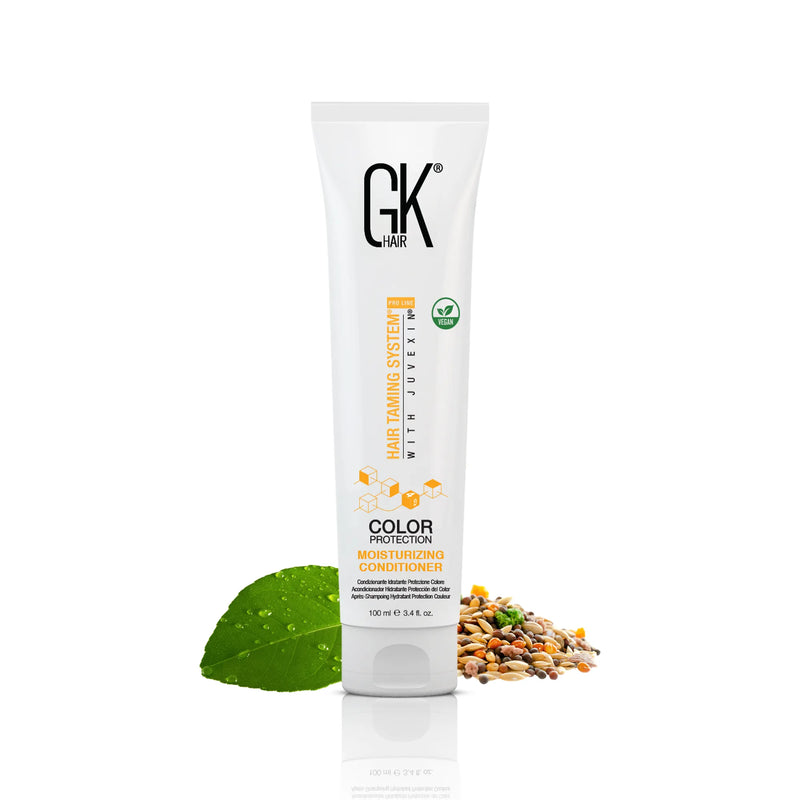
Start with shampoo, then condition afterwards. In case frizz is a problem, GK Hair Moisturizing Shampoo and Conditioner are the perfect place to start. They won't only soften the hair and replenish moisture but also keep it light and free of grease.

-
Before styling, apply a heat protectant first. A good heat protectant you can use is GK Hair ThermalStyleHer Cream.
-
Put a little of the Argan Oil Serum on the lengths of your hair.
-
Go ahead and style your hair the way you want.
-
If necessary, finish off with another small amount of serum to make it shine.
Being consistent is more important than using a lot of products. Both have their place in a good hair routine. The key is knowing where each one belongs.
Common Myths About Hair Serums — Debunked
“Hair serums make hair greasy.”
Only when too much is used or applied in the wrong place.
“Serums stop hair from growing.”
They don’t affect follicles when used correctly, in fact, they often help you retain length.
“I don’t need serum if my hair is healthy.”
Healthy hair still faces daily stress. Serum helps keep it that way.
From Frizz Control to Confidence
The most underrated hair serum benefit isn’t just smoother hair, it’s how hair behaves throughout the day. Less tugging, less tangling, less frustration. And when hair feels easier to manage, confidence quietly follows.
Hair care is not meant to be an overwhelming and trend-driven process. Rather, it is a matter of selecting the products that maintain the natural structure of your hair, protecting it through the ups and downs of everyday life, including changing weather conditions, styling, hectic mornings, and so on.
Still unsure whether your shampoo is helping or hindering your frizz? Read on the Best Argan Oil Shampoos for Smoother, Shinier Hair.
Wrap Up
If your primary concern has been growth, then maybe it is time to shift some of your attention to protection. A hair serum not only reduces breakage but also keeps the lengths in good condition, resulting in healthier hair for a longer period of time.
To explore GK Hair’s range of anti-frizz and shine serums, along with scalp supporting products designed for long term hair care, visit the GK Hair Anti Frizz and Shine collection!