There’s blonde and then there’s platinum blonde. It’s easy to think of only bleach when we see platinum blonde hair, but that’s just half the part. Like most blonde hair shades, you’ll have to consider quite a number of things and be sure of your decision before making any commitments.
Who Can Have Platinum Blonde Hair?
Anyone with light, medium or dark skin tones can achieve platinum blonde hair. What matters is committing to the multi-step processing if you’re starting with dark hair. Lighter hair requires fewer sessions; darker hair requires multiple lightening rounds, spaced 2–4 weeks apart to minimise damage.
Platinum hair is not effortless, because it takes a lot to achieve and maintain. There are some hair transformations best done by professionals, but yours can manage it too. Usually we begin by lightening the hair up to level 10, so imagine you’re starting with a brown hair colour.
You’ll need many levels of lift to reach platinum, and that’s why you should avoid washing your hair during and immediately after lightening. Achieving platinum blonde hair naturally is the hair equivalent of owning a white, timeless and bold cashmere coat. It is the lightest colour on the spectrum of blonde and, depending on the toner and lighting, it can appear silvery or icy. Platinum hair color may look similar to many light hair shades, but the coolness and how brightly it shines under light is unique.
GK Hair, trusted in more than 75 countries, has developed professional-grade lightening formulas that deliver platinum results without the extreme damage of traditional bleach. Our Juvexin technology is a non-hydrolysed keratin blend that penetrates the hair cortex to repair it while lightening is going on.
Pro Tip
GK Hair stylists recommend testing lightener on a strand 24 hours before full application. The Juvexin formula may show results more gradually than basic bleaches, but damage is measurably lower when 10 volume developers are used.
Lightening Without Bleach? How Does It Work?
No one wakes up one morning suddenly looking like Daenerys Targaryen. You could get a creamier glow without dipping your hair in peroxide or other harsh chemicals, but what you get is only something close to platinum blonde. If you have natural light blonde hair, you’re halfway there.
The rest of us will have to charm our way into platinum blonde. Bleach is a burglar that breaks into your hair’s pigment, more like a treasure chest. But nature, bless her heart, has gentler and “natural” ways of getting you part of the way there.
Plants like lemon, chamomile, and cinnamon contain brightening enzymes that bring out your hair’s melanin. Your next lightening procedure could be as simple as a pot of chamomile tea wash. However, you cannot achieve platinum blonde without chemical lightening. Lighteners containing hydrogen peroxide are necessary to lift dark or medium hair the 8–10 levels platinum requires, which is why a true peroxide blonde result cannot be replicated with kitchen ingredients alone. Think of natural methods as maintenance between professional lightening sessions, not as a platinum-blonde solution on their own.
How Platinum Blonde Differs from Other Blonde Hair Shades
Walk into a salon without an inspiration photo, asking only for “something blonde”, and your stylist will show you an enormous number of blonde hair colours to try. Champagne, beige, honey, ash and butter blonde are all great shades of blonde with undertones, but platinum blonde hair occupies the lightest and coolest position.
When you sit down to have your hair lightened to platinum, your hair is toned specifically to neutralise warm tones and pigments. Platinum white hair, icy platinum blonde hair, silver ice blonde hair and grey blonde are all variants of platinum blonde. Each of these blonde hair shades requires a slightly different toning process, and grey blonde in particular leans on a deeper violet or blue-based toner to hold its smoky finish.
How to Get Platinum Blonde Hair
Getting platinum blonde hair is not just something ordinary. A sleek, high-shine, expensive finish requires a little backup from a creme of natural hair dye platinum blonde. It’s not a box of cheap dye; it’s more like a tone correction infused with nourishment.
But Just Before You Bleach Your Hair
Achieving the most stunning platinum blonde hair may require you to first bleach your hair. It all depends on your starting colour. If that’s the case, make sure your hair is clean and not currently under any chemical treatment. But just before you bleach…
Know and Understand Your Hair Type and Skin Undertone
To begin, it’s important to understand which hair types can go platinum blonde. You don’t achieve the perfect blonde without assessing your current hair status first. If your strands are weak or already damaged, condition your hair as a first step. Undertones are the reason the same blonde looks good on one person and off on another. Those with cool undertones can wear shades like icy platinum blonde hair or silver ice blonde hair that look absolutely polished and smooth.
1. Lighten Your Hair Gradually
First things first: you don’t get platinum blonde hair easily. It’s a process that involves several steps and stages before you finally get there. Even platinum hair can turn yellow in days if it isn’t done right. Now that your client is in your salon chair, where do you begin?
If they have dark hair, you may need to bleach multiple times at intervals to reach a perfect platinum blonde without damaging the hair. GK Hair’s Lightening Powder Masque with a cream developer can help you lift up to 8 levels in one go without damaging the hair. How much bleach you use depends on the colour you’re starting from. For brown or dark hair, use GK Hair’s Juvexin Lightening Cream Pro for up to 8 levels of lift in a single application.
Best for: resistant, virgin or pre-lightened hair seeking lift up to 8 levels in a single session, along with protein repair of each strand.
2. Rinse and Dry Your Hair
Make sure your hair has been lightened just enough and has finished processing before you rinse off the bleach. Don’t simply leave bleach in your hair, as that causes damage. Follow the processing time on your lightener, typically 20–45 minutes depending on formula strength and your starting hair level. Do not leave bleach on longer than recommended, to avoid over-processing.
Apply some moisturising conditioner from roots to ends. If your kit comes with a conditioner, use that. Beyond rinsing out the bleach, a moisturising conditioner helps keep your hair hydrated and healthy. Some bleach formulas require more than a cool-water-and-conditioner rinse and call for shampooing. If yours does, now is the time. Use a Moisturizing Shampoo and follow with its conditioner duo. It is mild and best for dry, fragile hair that needs moisture after repeated bleaching sessions.

3. Wait a While
Your wait time is your hair’s resting time. Remember, your hair has just been through bleaching. Too many chemical treatments at once can damage your strands and leave them brittle. Let your hair air dry and wait at least 2–3 days before applying the dye.
Preparing to Dye Your Hair
Now that you have bleached your hair, grab your toner. Sometimes, after bleaching up to level 8 or 10, your hair looks close to your platinum blonde inspiration but not quite there. Reach for a toner rather than a dye to remove brassy tones and hold the colour for weeks.
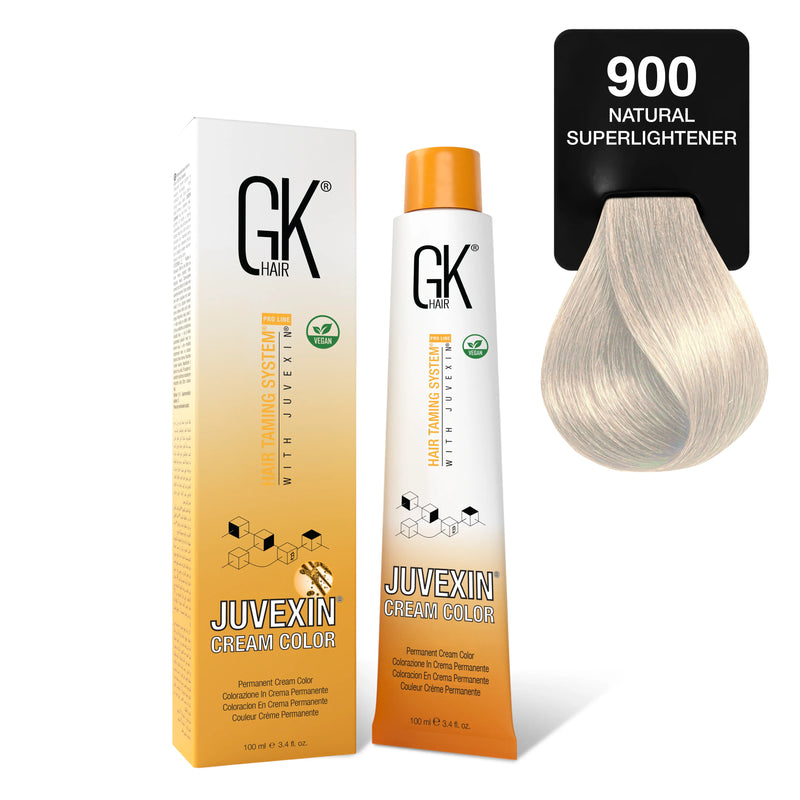
Use a platinum ash cream colour with a complementary developer after lightening to reach your desired platinum blonde shade. Using a kit simplifies the process, especially if you’re new to colouring at home, since kits come with exact formulas, tools and instructions to follow. Whether you use a toner, a dye, or both is down to you and the hair you’re working on. If warm tones are particularly obvious, tone only; if you’re still far from your desired platinum, you should dye.
4. Section Your Hair
Once you’ve mixed the formula, divide your hair into manageable sections. This helps you cover your hair evenly. Use hair clips to hold each section, then work over each one, leaving almost an inch from the root and applying to that area last. This simple trick helps because roots are the lightest part of your hair and process more quickly.
5. Apply Your Platinum Blonde Colour
If you’re done bleaching, that’s only part of the process. Bleaching will only lighten your hair, not leave you with the new colour. To get that true icy platinum blonde, you’ll need to bleach first and then tone, to counteract the yellow or golden tones that appear after bleaching. You may want to cover your skin and clothes before you start.
Note that the entire process, from your starting colour to your desired platinum blonde, could take a few weeks, so there’s no need to rush. In a bowl, mix your GK Hair Ash Juvexin Cream Colour Pro with a 10 volume cream developer at a 1:1.5 ratio. Apply along your lengths gradually, making sure your hair is towel-dried first.

Pro Tip
Any hair colouring procedure should be done with the right process, or things can go south for your hair in ways even the best hands struggle to remedy. Choose products that not only transform, but also repair and nourish your hair from within.
Colouring may feel like it’s for professionals only. Read our step-by-step guide to using Juvexin Cream Colour and get it done on your own.
How to Care for Platinum Blonde Hair
It is not enough to know how to get the perfect platinum blonde hair naturally. Knowing how to care for it keeps the colour fresh and your strands healthy.
Use Quality Products for Coloured Hair
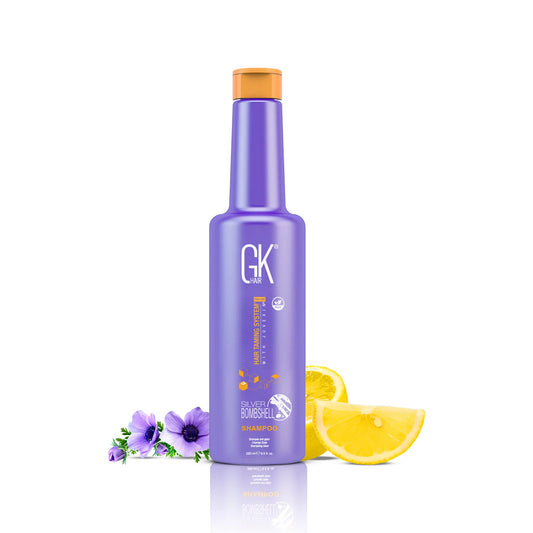
Swapping your shampoo matters, especially after bleaching. Keep washes to a minimum of 2 or 3 times a week using a sulphate-free purple shampoo. As is common with blondes, brassiness creeps in slowly and ruins the look. Keep the colour bright with GK Hair’s Silver Bombshell Shampoo, a purple shampoo made for blonde hair.
Best for: all platinum and icy blonde shades requiring weekly purple-toning to neutralise brassiness and maintain a cool tone.

Stylist’s Corner
Platinum blonde hair isn’t maintained at home alone. Expect platinum to start fading into warmer tones within 3–4 weeks if it isn’t toned. Purple shampoo, used 2–3 times weekly, helps extend the tone between salon visits. Most colourists recommend refreshing with a toner every 6–8 weeks even if your roots haven’t grown in much. Toning retouches and polishes the colour instead of booking a full recolour too soon.
Follow Up With a Hydrating Mask
When it comes to colour maintenance, masks are a must after everything your hair has been through to get here. Applying a nourishing mask or deep conditioner once a week helps restore softness, reduce breakage and keep your platinum blonde hair looking glossy.
Do Regular Touch-ups
One thing to prepare for is regular touch-ups every 6–8 weeks. As your natural hair grows out, platinum fades, and brassy tones show clearly on platinum blonde hair. A toner can touch up the roots and keep the colour going. Check in with your colourist every so often for a quick review too.
At the salon, professionals may opt for root highlights to handle new growth rather than a full recolour, which would expose your hair to more damage.
Conclusion
You don’t have to book a recolouring appointment at the slightest sign of your natural colour returning. Toning retouches the colour instead of repeating the whole process too soon. Remember, your hair’s integrity matters more than the shade you’re chasing. Don’t compromise it with low-quality bleach and dye formulas; choose GK Hair colour treatments for keratin-infused formulas.
Frequently Asked Questions
Is platinum blonde the lightest blonde hair colour?
Yes, platinum blonde hair sits at the lightest end of the blonde spectrum. There are stages to getting there: the hair is first lifted by bleaching, then toned to remove yellow pigments, which gives it that cool, whitish finish. Try either icy platinum blonde or platinum white hair if you’re feeling bold.
Does platinum blonde suit warm skin tones?
It does. Although platinum blonde naturally works well with cool undertones, people with warm skin tones wear it too. You just have to customise the toner to work with your hair. A professional who has worked with your skin tone will know how to balance the look with beige tones so it doesn’t look stark.
What is the difference between icy blonde and platinum blonde?
The two may look identical, but they’re not. Platinum blonde hair is the broader category, while icy blonde is one of its variants. The colour is bright with less visible warmth.
What is grey blonde hair?
Grey blonde is a platinum variant toned deliberately toward a smoky, silver-grey finish rather than a pure white one. It starts from the same 8–10 levels of lift as any platinum shade, but uses a violet or blue-based toner to hold the grey rather than letting it drift warm. It suits cool undertones particularly well and needs the same toning schedule as any other platinum blonde.
Can I bleach my hair platinum blonde at home?
Yes, with the right products and patience. However, salon-grade lighteners like GK Hair’s Juvexin Lightening Cream Pro work faster and with more damage control. If your hair is already compromised, or you’ve had previous colour, professional application is safer.
How many times do I have to bleach my hair to get it platinum blonde?
That depends on your starting colour and your hair’s condition. Unless you already have natural platinum blonde hair, or your hair is already light blonde, one bleaching appointment may not be enough. Darker hair requires multiple lightening sessions spaced several weeks apart to protect it from excessive damage. After each bleach session, wait 2–3 days before the next lightening application. Between full lightening sessions, going from brown to platinum, space sessions 2–4 weeks apart to allow the hair to recover.