

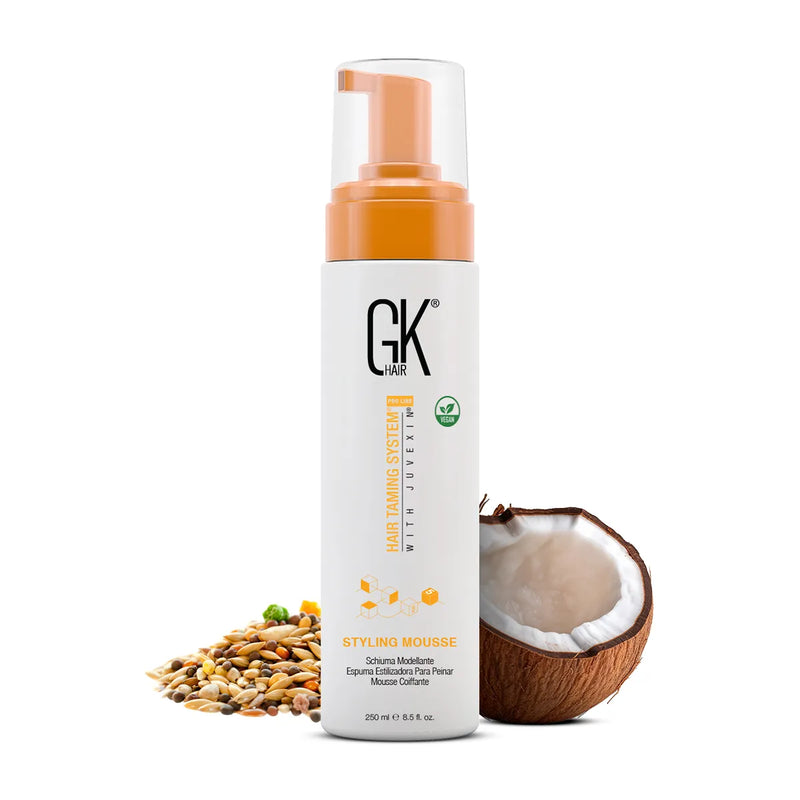
Mousse is one of the best stylers for wavy hair because its airy foam adds root & body volume, definition and a flexible hold without weighing waves down. Apply it to clean, damp hair: about a golf-ball-sized amount for shoulder-length hair, raked from roots to ends, scrunched upward, then air-dried or diffused. Choose a lightweight mousse with light-to-medium hold, such as the GK Hair Styling Mousse, for 2A and 2B waves and pair it with a curl cream or gel for 2C waves.
How Much Mousse Do You Need?
| Hair length | Starting amount | Add more if |
|---|---|---|
| Short / bob | Ping-pong-ball size | Hair is dense or mousse isn't evenly coating the lengths. |
| Shoulder length | Golf-ball size | Hair is thick, dense, or needs more hold and definition. |
| Mid-back or longer | Tennis ball size | Your hair is very dense or coarse, or the first application doesn't distribute through all the lengths. |
These amounts are for your whole head, not per section. Use less if your hair is fine, low density or 2A, and more if it's coarse, high density or 2C.
How to Use Mousse for Wavy Hair, Step by Step
Step 1: Start with Clean Hair
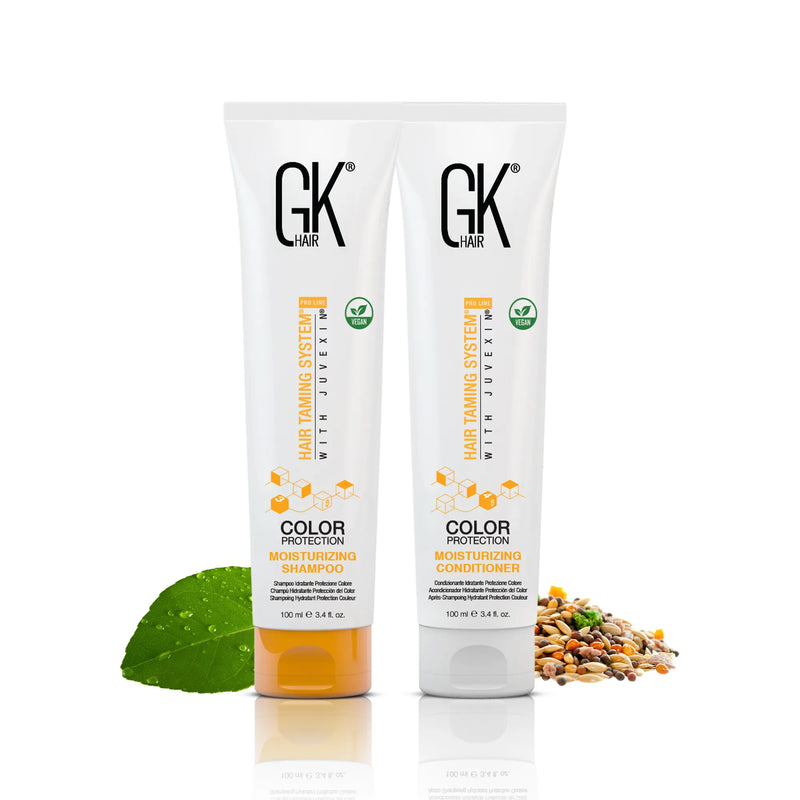
Wash with a gentle shampoo such as GK Hair Moisturising Shampoo, then condition. Use GK Hair pH+ Clarifying Shampoo every week or two, to remove product residue and buildup.
Step 2: Towel-Dry & Apply Your Leave-in
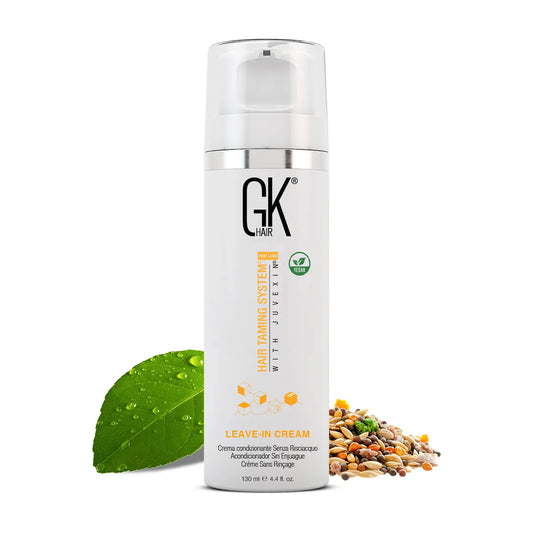
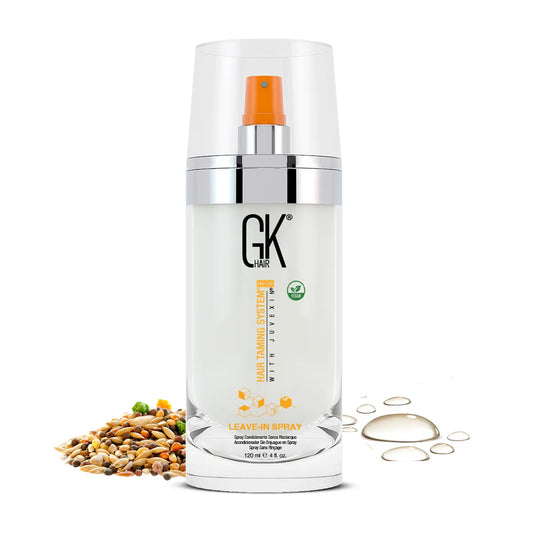
Blot hair with a microfibre towel until it's damp. Smear a coin sized amount of leave-in and rub between palms before you apply it on your hair. Mousse works best on damp hair as it helps to lock in moisture and define waves.
Step 3: Section Hair & Apply Mousse Evenly
Divide hair into 4 or more sections. Shake an aerosol can well (pump foams like ours don't need it), then dispense the amount from the table above into your palm. Adjust to suit your hair length, porosity and thickness. Rub together like you did the leave-in, then rake evenly from roots to tips using your fingers or a wide-tooth comb to saturate each section of hair.
Step 4: Scrunch Your Hair
Flip your hair forward and use your hands to scrunch your hair upwards towards your scalp. This is a very important step to encourage natural wave formation and add volume.
Step 5: Dry Hair
Let your hair air-dry if you want relaxed, loose, beachy waves or your hair gets heat damaged easily. For tighter waves and faster drying time, attach a diffuser to your turned-off hairdryer, cup a section of hair into the bowl, press it up toward your scalp, then turn the dryer on (low to medium heat & low speed).
Hold for 20 seconds, turn it off, and move to the next section. Your hair must be tilted sideways or upside down while diffusing to ensure the prongs get to your roots, which is very important for adding volume.
Step 6: Fluff and Style
Once your hair is completely dry, scrunch out the cast or crunch left by the mousse using a hair serum. Flip your head upside down and gently shake your hair from side to side to lift the roots away from your scalp. Wiggle your roots gently with your fingertips to lift them, but don't rake through the mid-lengths and ends, which breaks up wave clumps and causes frizz. Style your hair as desired and enjoy your defined, frizz-free waves.

Check out 15 ways to get fluffy hair with simple styling techniques, lightweight products, and volume-boosting tips for creating soft, bouncy hair without weighing it down.
How to Choose a Mousse for Your Wave Type
To choose the best mousse for wavy hair, you must pick one that matches your wave pattern, hair porosity, density and strand thickness. Your wave pattern sets how much definition and hold you need; porosity, density and strand thickness sets the amount of product and how lightweight your mousse formula should be.
GK Hair Styling Mousse is a lightweight foam with light-to-medium hold from GK Hair, the professional keratin-treatment brand sold in 75+ countries. It is fortified with Juvexin V2, a plant-based protein from quinoa and pea that strengthens hair from the inside out, plus coconut fruit conditioners and natural seed extracts that moisturise without weight. It is sulphate- and paraben-free, so it suits 2A and 2B waves on its own, including fine hair that flattens under heavier stylers. For 2C or frizz-prone waves that need firmer hold, layer it under a gel.
Best mousse for fine, loose waves (2A)
The best mousse for 2A waves is a lightweight, volumising foam with flexible hold. It lifts the roots to add volume and encourages wave definition without making it feel limp.
2A waves are barely visible, they form very loose S waves or C bends towards their ends. Because they are almost similar to straight hair, heavy products flatten their roots and make it greasy.
Best mousse for medium waves (2B)
2B waves have a more defined S-pattern and generally need more hold and frizz control than 2A waves. To choose the best mousse for 2B hair, look for a lightweight mousse for wavy hair that enhances definition, controls frizz, adds volume to roots and gives flexible hold.

Best mousse for tight waves (2C)
2C wavy hair has the strongest wave pattern and is very prone to frizz and loss of definition (because it's very close to curly hair). The best curl mousse for 2C tight waves coats the hair against humidity, conditions well, and has a firm hold.
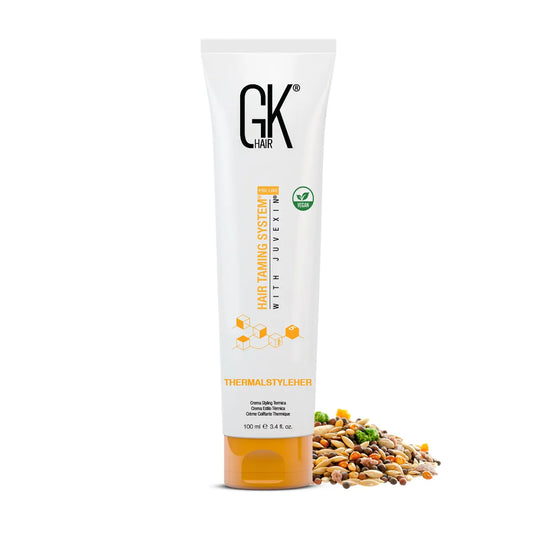
Smooth a pea-sized amount of the CurlsDefineHer curl cream or leave-in through first, then apply mousse and layer a gel on top for longer hold.
Mousse for Low- and High-Porosity Wavy Hair
Low porosity wavy hair has tightly closed cuticles, so it absorbs moisture slowly but holds it well, while high porosity wavy hair has lifted or damaged cuticles that absorb and lose moisture quickly.
- Best mousse for low porosity hair: a lightweight mousse applied on soaking wet hair for even saturation and penetration.
- Best mousse for high porosity hair: a more conditioning formula with firmer hold.
Mousse for Fine, Coarse, Low- and High-Density Wavy Hair
- For fine or low density waves: a lightweight, volumising mousse to add body without weighing hair down.
- For coarse or high density waves: a stronger-hold mousse with some conditioning to support the heavier strands or large amount of hair.
Ingredients to Look for in Mousse for Wavy Hair
- Panthenol (Pro-Vitamin B5): A hydrating humectant that attracts moisture and smooths the cuticle without adding heavy grease.
- Vinyl Caprolactam/VP/Dimethylaminoethyl Methacrylate Copolymer: A film-forming styling polymer that provides hold and helps keep waves defined.
- Juvexin V2: A plant-based protein blend that helps condition and strengthen the hair from inside out.
- Glycereth-26: A humectant and conditioning ingredient that helps improve moisture and softness without making the formula overly heavy.
- Glycerin: A humectant that attracts moisture and helps keep hair feeling soft and conditioned.
- Natural seed extracts: Emollient ingredients that help slow moisture loss and maintain smoother, nourished strands.
Ingredients to Avoid, Or Use With Caution, in Wavy Hair Mousse
- Heavy oils and butters: can weigh down loose waves and reduce volume when used heavily.
- Heavy waxes such as beeswax: can add too much weight and buildup for fine waves.
- Petrolatum or mineral oil in a heavy formula: strong occlusive ingredients can make some wavy hair feel coated or limp.
- Excessive protein in a formula: may make some hair feel stiff or rough, although protein itself isn't completely bad for wavy hair.
- High levels of drying alcohols: can increase dryness for some hair, especially when you use it frequently.
Mousse or Gel First on Wavy Hair?
Both can work. Using a mousse first and following with gel is the usual order for wavy hair. This is because mousse is lighter than a styling gel, and it's best to layer light formulas before heavier ones so they lock in properly. It's also advisable because a styling mousse lifts the roots, builds volume and adds definition, so it sets the hair for a final strong hold by a gel.
Applying a gel first is recommended if you're looking for well-defined waves that hold. This method requires you to apply gel on soaking wet hair, before layering your mousse on top of it.
The mousse then gel approach is best for easily weighed-down waves that need an extra boost of volume, while the gel then mousse approach is best for coarser or frizz-prone waves that need longevity and maximum definition. If your hair gets greasy or limp easily, skip the layering and use mousse alone.
Why Your Mousse Isn't Working
| What you notice | What causes it | What to change |
|---|---|---|
| Hair dries crunchy |
|
|
| My waves fall flat |
|
|
| My hair feels sticky or gritty |
|
|
Is Mousse Bad for Wavy Hair?
No. Mousse isn't bad for wavy hair when you use the right amount and wash it out when due. Some formulas with drying alcohols may leave dry or high-porosity waves frizzy, so a leave-in underneath or use in moderation helps to minimize any damage.
Frequently Asked Questions (FAQs)
Can you put mousse on dry hair?
Yes, you can apply mousse on dry hair, but it works best on damp clean wavy hair. Using a hair mousse on dry hair is mostly for refreshes to revive existing waves, add light hold or boost volume at the roots. However, it is easy to apply too much in one area which can leave your hair stiff, sticky or uneven.
Does hair mousse expire?
Yes, hair mousse does expire. Under the UK cosmetics rules, a product needs a best-before date only if it lasts 30 months or less, so a product with no printed date is expected to stay stable longer. Most of these show a period-after-opening symbol, an open jar with a number such as 12M, telling you how many months it stays good once opened. Sealed aerosol cans often carry neither, because the contents aren't exposed to air. A change in colour, texture, and smell means it's time to replace your mousse.
How often can you use mousse on wavy hair?
There isn't a fixed number of times per week that applies to everyone. You can use mousse whenever you style or refresh your waves, provided your hair and scalp tolerate the product and you cleanse away accumulated styling residue when needed. If repeated use leaves the hair sticky, coated, dull, stiff, or difficult to restyle, you're likely using too much product or layering too many stylers.
Does mousse work on 2A hair that barely waves?
Yes, but mousse won't create a completely new wave pattern where there isn't one. For 2A hair with very loose or easily lost waves, a lightweight mousse can help enhance the existing pattern, add volume, and provide enough hold to keep the waves from falling flat. For very fine or low-density 2A hair, start with a small amount. Too much product can weigh down the hair and make those already-loose waves appear even flatter.