The main sulphate free shampoo benefits are a gentler cleanse that leaves more of your natural oils in place, slower colour fade, less frizz and a calmer scalp. Sulphate free formulas still remove sweat, oil and everyday dirt; they just use milder cleansers. They suit dry, curly, coloured and keratin-treated hair best.
What Is Sulphate Free Shampoo?
Sulphate free shampoo is a type of shampoo that omits harsh cleansing agents known as sulphates. Common sulphates, such as sodium lauryl sulphate (SLS) and sodium laureth sulphate (SLES), create the lather that many people associate with cleanliness. However, these ingredients can be too aggressive, stripping away essential natural oils from your hair and scalp. Sulphate free shampoos use milder alternatives to cleanse your hair, maintaining its natural moisture balance.
Gloucestershire Hospitals NHS Foundation Trust advises people with scalp eczema to avoid SLS shampoos because SLS can badly irritate the scalp, and to check ingredient labels.
What Are Sulphates and SLS in Shampoo?
Sulphates are surfactants. In simple terms, they help water mix with oils and dirt so those substances can be removed from the hair and rinsed away. They are also responsible for much of the rich lather people associate with a thorough wash. Lather, however, is not the same thing as cleansing power.
The dermatology resource DermNet explains that sodium lauryl sulphate and sodium laureth sulphate are anionic surfactants that create lather, and that sodium lauryl sulphate is the more irritating of the two.
SLS stands for Sodium Lauryl Sulfate, a commonly used cleansing and foaming surfactant. SLES, or Sodium Laureth Sulfate, is another sulphate surfactant, while ALS refers to Ammonium Lauryl Sulfate. You may see these names on shampoo ingredient lists. If you are specifically trying to avoid SLS, look for "Sodium Lauryl Sulfate" rather than relying only on front-of-pack claims.
For people with an already irritated scalp, SLS may be particularly uncomfortable.
7 Benefits of Using Sulphate Free Shampoo
1. Less stripping
Milder cleansers lift oil and dirt but leave more natural sebum on the lengths, so hair feels softer after washing.
2. Colour that lasts longer
A gentler wash slows fading between colour appointments.
3. A calmer scalp
SLS can irritate sensitive or eczema-prone scalps, so dropping it often makes wash day more comfortable.
4. Less frizz
Hair that keeps its moisture lies smoother and styles more easily.
5. Better-behaved curls and coarse hair
Curls hold their definition when the wash does not leave them dry and rough.
6. Longer-lasting smoothing results
Keratin treatments come with sulphate-free aftercare because a gentler wash helps the result last.
7. Gentle enough for frequent washing
If you wash often, a sulphate free formula cleans without building up dryness.
Choosing a Sulphate Free Shampoo for Your Hair Type
Match the formula to what your hair needs, not just the claim on the front of the bottle. Make sure to match the cleanser you find to what your hair needs before deciding that it is the best.
1. Sulphate Free Shampoo for Coloured Hair
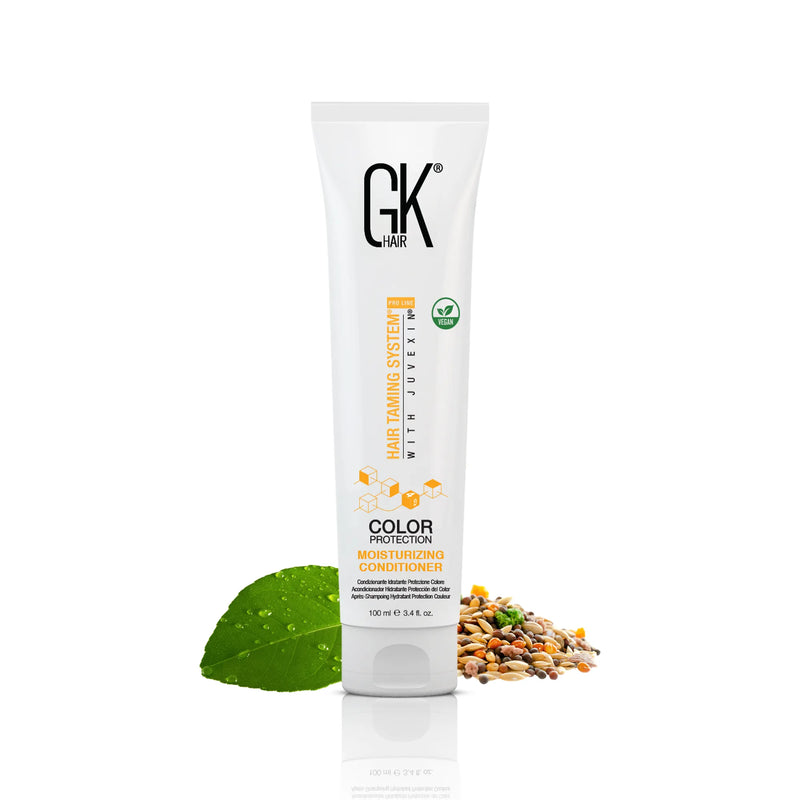
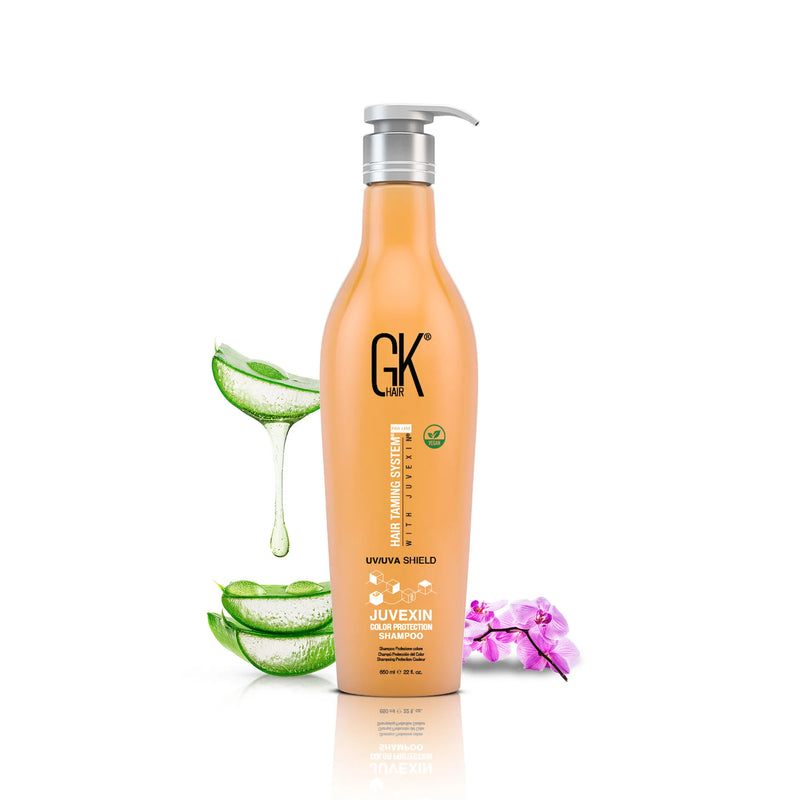
If you have colour-treated hair, choose a cleanser designed to support moisture and colour maintenance. Sulphate free shampoo for coloured hair can help you build a gentler washing routine between colour appointments. Our Shield Shampoo and Conditioner is sulphate-free, includes UV/UVA protection and is enriched with Juvexin V2, our plant-based protein derived from quinoa and pea that strengthens hair from the inside out.
2. Sulphate Free Shampoo for Curly Hair
Curly and textured hair can lose moisture easily, so cleansing without leaving the lengths feeling overly dry is important. A sulphate free shampoo for curly hair can be useful when your curls feel dry, rough or difficult to define after washing. For more guidance on maintaining curly, coloured and damaged hair, see caring for curly, coloured and damaged hair.
3. Sulphate Free Shampoo for Dry Hair
Dry, coarse hair generally benefits from a cleanser that supports moisture rather than leaving the strands feeling squeaky. A sulphate free shampoo for dry hair can be paired with a moisturising conditioner to make wash days more comfortable. Our Tibolli Hydration Shampoo and Conditioner is sulphate-free and formulated for dry, damaged and brittle hair.

4. Sulphate Free Shampoo for Keratin Treated Hair
Aftercare for any keratin or smoothing treatment calls for a sulphate-free wash, because a gentler cleanse helps the result last. Our Shield Shampoo and Conditioner is safe for keratin-treated, coloured and highlighted hair. Hair extensions need the same care: they get little or no natural oil from your scalp, so a sulphate free shampoo for hair extensions helps keep the lengths from drying out.
Stylist's Corner
We tell clients not to judge a sulphate-free shampoo by the lather. Focus on whether the scalp feels clean and whether the hair feels comfortable once it dries. By week three, we can usually tell whether the formula is giving the hair the right balance of cleansing and moisture. If there is still persistent buildup, we look at the washing technique, styling products and whether a sulphate free clarifying shampoo needs to be added every week or two.
Pairing a Sulphate Free Shampoo and Conditioner
If your hair goal is moisture and manageability, using a sulphate free shampoo and conditioner together can make sense. Shampoo cleanses the scalp and hair, while conditioner helps improve softness, slip and manageability after cleansing. If you choose a gentle shampoo but follow it with a conditioner that does not suit your hair, you may still end up with dryness or heaviness. Our shampoo and conditioner collection includes options for dry, oily and colour-treated hair.
Are Sulphates Bad for Hair?
No. Sulphates are not automatically bad for hair, and some people do perfectly well with them. They become more of a concern when a cleansing formula leaves your hair or scalp feeling excessively dry, tight or irritated.
Who Sulphates Are Actually Fine For
If you have fine, oily hair or use a lot of styling products, a stronger cleansing shampoo may work well for you. It can help remove excess oil and residue without requiring multiple washes. Someone who washes infrequently may also appreciate a stronger cleanser, particularly after heavy styling.
The important point is to judge the result rather than choosing a shampoo because one ingredient has been labelled universally good or bad.
What Does Sulphate Free Shampoo Do to Your Hair?
It cleanses the scalp and hair using cleansing agents other than traditional sulphates, which can allow some people to retain more of their natural oils after washing. The difference you notice depends on the formulation. A well-made sulphate-free shampoo should still remove sweat, oil and everyday dirt.
The aim is not to leave everything on the hair, but to cleanse without making the hair feel unnecessarily stripped. This is useful when your hair already struggles with dryness, frizz or colour fading. A gentler cleansing routine may make the hair feel softer and easier to condition after washing.
Is Sulphate Free Shampoo Good for Hair?
Yes, sulphate-free shampoo can be good for hair, particularly when your hair or scalp responds better to gentler cleansing. It is not automatically the best option for every person, so your hair type, scalp condition and styling habits still matter.
How to Read a Shampoo Label
The ingredient list tells you far more than the front of the bottle, especially when you are avoiding a specific ingredient.
1. SLS Free Shampoo and Other Label Terms
An SLS free shampoo does not contain Sodium Lauryl Sulfate. That does not necessarily mean it contains no other sulphates. If you want a genuinely sulphate-free formula, check the ingredient list for common sulphate surfactants such as Sodium Lauryl Sulfate, Sodium Laureth Sulfate and Ammonium Lauryl Sulfate.
2. Sulphate and Paraben Free Shampoo
A shampoo in this category avoids both groups of ingredients, but these are separate formulation choices. One does not automatically mean the other. Therefore, don’t assume that a product labelled sulphate-free is also paraben-free. Check the product's ingredient and formulation information.
3. Sulphate and Silicone Free Shampoo
This type of shampoo also avoids sulphate cleansing agents and silicone ingredients. Again, these are two different things. Silicones are often used in haircare to improve slip, smoothness and manageability. Whether you want to avoid them depends on your own routine and how your hair responds.
Sulphate-Free Shampoo Disadvantages You Should Know About
One potential disadvantage of using sulphate-free shampoo is that it might not produce as much lather as traditional shampoos. This can make it feel like your hair isn’t getting as clean, especially if you’re used to the rich lather of sulphate shampoos. The shampoo can still remove sweat, excess oil and everyday impurities, even when there is little visible lather.
Additionally, some people may experience an adjustment period as their hair adapts to the new cleansing method. Give your hair around two to four weeks to adjust. During this period, your hair may feel different as you get used to the new cleansing routine. Applying the shampoo directly to the scalp and working it through thoroughly can help you get a more effective cleanse without relying on heavy lather. Double cleansing or using a scalp massager can help enhance the cleaning process.
3 Best Sulphate Free Shampoo from GK Hair
We build our shampoos around Juvexin, the same protein technology behind our professional salon treatments in more than 75 countries. Our shampoos are designed to cater to various hair types and concerns, ensuring you find the perfect match for your needs.
1. Sulphate Free Anti-Dandruff Shampoo
Our sulphate free Anti-Dandruff Shampoo is formulated to cleanse the scalp while targeting flaking and itching.

2. Balancing Shampoo and Conditioner
Balancing Shampoo and Conditioner is our sulphate free shampoo for greasy hair, removing excess oil at the roots without drying the ends.

3. Silver Bombshell Shampoo
Silver Bombshell Shampoo is our sulphate free purple shampoo, neutralising yellow and orange tones in blonde hair.

Conclusion
If your hair feels dry, your colour fades fast or your scalp reacts to foaming cleansers, give a sulphate free shampoo four weeks. Pair it with a conditioner matched to your hair and judge the result, not the lather.
Frequently Asked Questions: About Sulphate Free Shampoo
Does sulphate free shampoo help hair growth?
No. Sulphate free shampoo does not make hair grow faster. It can keep a sensitive scalp more comfortable and reduce breakage in dry, brittle lengths, which helps you keep the length you grow. If you notice shedding or thinning, speak to your GP or a dermatologist.
How Do I Know If My Shampoo Is Free From Sulphate?
You first have to read the labels. Check to ensure that it doesn't contain chemicals like Sodium Lauryl Sulfate, Sodium Laureth Sulfate, Sodium myreth sulfate, TEA-lauryl sulfate and Ammonium Lauryl Sulfate, when reading labels. Look out for milder sulphate-free cleansers such as Decyl glucoside or Coco glucoside, Cocamidopropyl betaine, Sodium lauroyl sarcosinate and Sodium cocoyl isethionate.
Can I use sulphate free shampoo every day?
Yes. Sulphate free shampoo is gentle enough for daily washing, which makes it a good fit if you exercise or wash often. Most people only need two or three washes a week, though. If your roots feel oily by day two, wash more often; if your lengths feel dry, wash less.